Turning Pain Into Progress
How Sonia Prashar Built a Mission Around Mental Health

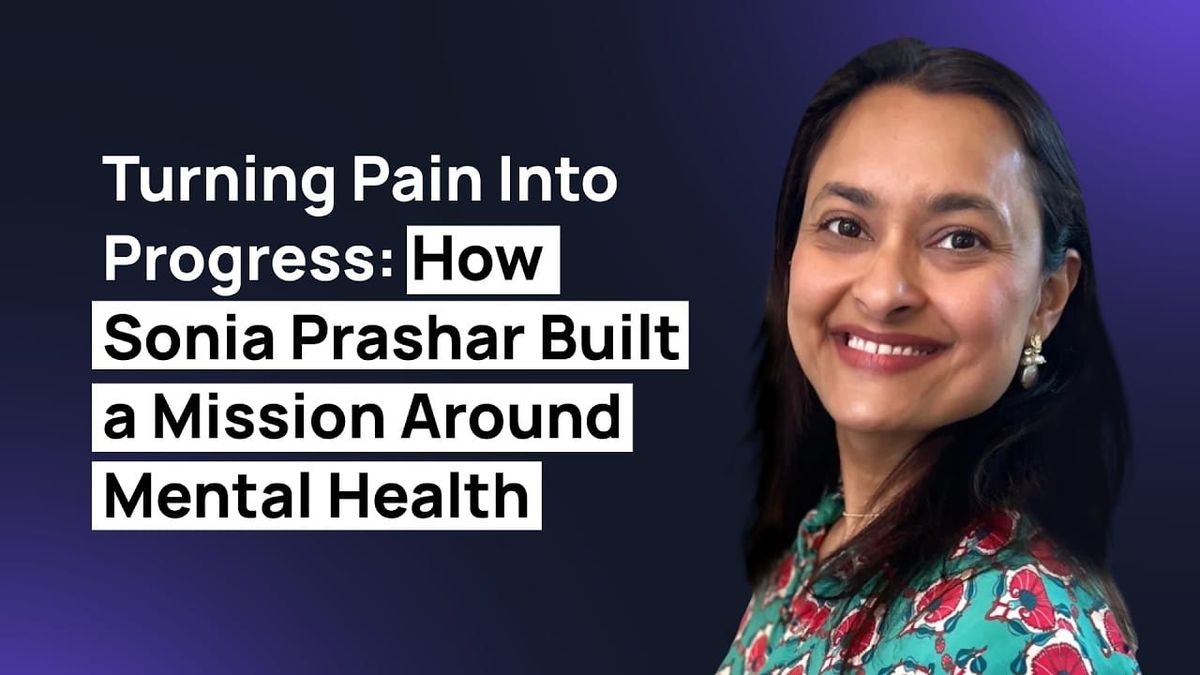
Twelve years ago, Sonia Prashar suffered from postpartum depression without realizing it. The stigma, especially in South Asian communities, kept her silent.
Today, that experience fuels everything she does at AIM Trials, where she's asking a question that should be obvious: If technology can bring mental health research to patients, why aren't sponsors implementing it?
In this week's episode of Power to the Patients, Sonia shares why hybrid and decentralized trial models aren't hype... they're operational necessity.
𝐇𝐞𝐫𝐞'𝐬 𝐰𝐡𝐚𝐭 𝐲𝐨𝐮'𝐥𝐥 𝐥𝐞𝐚𝐫𝐧:
• Why psychiatry trials need a smarter model. When patients leave work early, sit in traffic for 40 minutes, and show up stressed for a psychiatric assessment, are you measuring their mental health or their commute anxiety? Hybrid remote visits capture more authentic data.
• The FDA is ready. Sponsors aren't. The FDA released guidance on AI in research in January 2025, signaling flexibility. Yet sponsors remain hesitant about hybrid models. Sonia breaks down what's actually stopping adoption (spoiler: it's not technology).
• Decentralization = Real diversity. In one Duchenne muscular dystrophy study using full decentralization, AIM saw 60% recruitment increase and 100% retention. More importantly: they reached rural populations and ethnic groups beyond brick-and-mortar catchment areas—exactly what FDA now requires.
• Balance empathy with clinical separation. The placebo effect in psychiatry is strong. Sonia shows how detailed informed consent and clear messaging ("You're not here to please me") keeps research clean while keeping the human connection intact.
Subscribe and watch the full episode right here 👇